ART vs Talk Therapy: How to Choose | Utah County
On a cool September morning in Utah County, the kind where the air feels sharper and the school drop-off line moves a little faster, I notice the same thing in my office: routines are tightening again.
Backpacks by the door. Calendars filling up. Sleep schedules shifting. And for a lot of adults and couples, early fall has a way of turning the volume up on what’s been simmering under the surface—overthinking, emotional reactivity, old stress that doesn’t seem to fully let go.
If you’re considering therapy right now, you may be staring at a deceptively simple question:
Should I try Accelerated Resolution Therapy (ART) or “traditional” talk therapy?
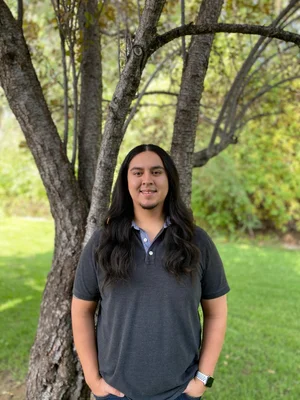
I’m Matthew Benavidez, LMFT, an Utah County therapist, and I use ART alongside other evidence-informed approaches. What I want you to know upfront is this: there’s no universally “right” choice. There’s a fit—for your goals, your nervous system, your pace, and your season of life.
This guide is here to help you make a grounded decision, without hype, without fear, and without pressure.
Primary keyword: ART vs talk therapy Utah County.
What “Talk Therapy” Usually Means
“Talk therapy” is a broad umbrella. In everyday use, it often means meeting with a therapist to explore what you’re feeling, what you’ve lived through, what you want to change, and what patterns keep showing up.
Talk therapy can include many approaches—CBT, EFT, psychodynamic therapy, ACT, IFS-informed work, Gottman-informed couples therapy, and more. The common thread is that conversation is the main vehicle for insight, emotional processing, and change.
In my work, I often see talk therapy help people:
Make sense of their story and their patterns
Build coping skills and communication tools
Strengthen self-understanding and relationships
Practice new responses in real life over time
Talk therapy can be deeply effective—especially when you want meaning, clarity, and long-term pattern change. It can also be challenging if talking about something repeatedly feels like reopening a file you can’t close.
That’s where people often start asking about ART.
What ART Is (And What It Isn’t)
Accelerated Resolution Therapy (ART) is a structured, imagery-based therapy. “Imagery-based” simply means you may use mental pictures—like memories, scenes, or symbolic images—while your therapist guides the session in a specific way.
A few key points, especially if you’re considering Accelerated Resolution Therapy Utah options:
ART is collaborative and consent-based. You can slow down, pause, or choose not to go into certain content.
You don’t have to share every detail out loud. Many people like that ART can be effective without a full verbal play-by-play.
ART is not a guarantee, cure, or “quick fix.” Some people notice meaningful shifts relatively quickly; others need more time, more support, or a different approach.
ART is still therapy. Relationship, safety, readiness, and pacing matter.
A metaphor I sometimes use is this: talk therapy can feel like turning on the lights in a cluttered room so you can understand what’s there—where it came from, how it got that way, and what you want to keep. ART can feel more like carefully reorganizing what your brain keeps replaying, so it’s less intrusive, less emotionally hijacking, and easier to leave in the past.
Both can be valuable. They simply travel different roads.
Key Decision Factors
If you’re comparing talk therapy vs ART, here are the practical “decision levers” I’d focus on. You can treat these like a quick self-check—no wrong answers.
Your primary goal right now: Are you aiming for symptom relief from something that feels “stuck,” or are you aiming for insight, meaning, and long-term pattern change (or both)?
Pacing preference: Do you want a more structured session flow, or more open-ended exploration?
How much talking feels helpful: Do you want to speak the story in detail, or would you prefer an approach that may not require a full verbal replay?
Comfort with imagery: Are you open to using mental pictures or symbolic images as part of therapy (even if they’re faint or unclear)?
Overthinking vs understanding: Are you stuck in analysis that doesn’t change the felt experience, or do you need more clarity and language for what’s happening?
Readiness and stability: Do you have enough bandwidth right now for deeper processing, or would support and coping skills be the best starting point?
Fit and rapport: Do you feel safe, respected, and un-rushed with the therapist? (This matters in every approach.)
Time and cost realities: What’s realistic for your schedule and budget in this season?
Best Fit When ART Might Be a Good Option
ART may be worth exploring if you notice any of the following (and if it feels like a fit for you):
You feel stuck in a replay loop—a memory, moment, or “felt sense” that keeps intruding
You can function, but certain triggers spike your reactions quickly
You’re tired of explaining the same story and want a more structured path forward
You’d like an approach where you can keep some details private
You’re open to using imagery or symbols as part of therapy
You want something that balances processing with stability and consent
In my work, I often see people consider ART when they say things like: “I understand why I feel this way… but my body doesn’t get the memo,” or “I’m doing all the right things, but the reaction still hits me.”
That’s not a failure. That’s often a sign your brain may be holding onto something in a way that responds well to a different kind of processing.
(If you’re curious about this specifically, you might explore: [ART for Anxiety].)
Best Fit When Talk Therapy Might Be a Better Starting Point
Talk therapy may be your best first step if:
You want to understand long-standing patterns—relationships, identity, boundaries, meaning
You’re working on communication, conflict, or trust in your relationship
You’re looking for support through a complex life season (caregiving, grief, transition)
You want a slower pace with lots of room to reflect
You’re not ready (or not interested) in imagery-based approaches
You want to build foundational skills first—emotion regulation, grounding, assertiveness
In my work, I often see talk therapy shine when someone needs a steady place to practice a new way of being—especially in relationships. For couples, talk therapy approaches (like Gottman-informed work) can be invaluable for learning how to repair after conflict and rebuild connection.
(You might explore: [Couples Therapy Utah County].)
A “Both/And” Option: Sequencing and Combining
Here’s something I wish more people heard early: you don’t have to choose one forever.
Sometimes the best plan is a sequence:
Start with talk therapy to build safety, skills, and clarity
Add ART when you’re ready to target a specific stuck memory/trigger
Or begin with ART to reduce the intensity of a distress loop, then use talk therapy to build new patterns and protect the change
In my work, I often see this as a “stabilize + process + build” rhythm. Some people begin by learning how to calm their nervous system and communicate more effectively, then later decide they want to address the older stress that keeps hijacking them.
If you’re unsure, that uncertainty is information—not a problem. A good therapist can help you sort it out collaboratively.
(If you want to know how I work, you can read: [About Matthew].)
What to Ask in a First Appointment
Whether you’re comparing talk therapy vs ART or choosing between therapists, these questions can help you find fit:
What approaches do you use most often, and why?
How do you decide whether ART or talk therapy fits my goals?
What does a typical session look like with you?
How do you handle pacing, consent, and stopping/pausing if I get overwhelmed?
How do you define “progress” in your work with clients?
If I’m dealing with reactivity or stress loops, what options might we try first?
Do you integrate skills (grounding, communication, coping tools) alongside processing?
What would you recommend if I’m not ready for imagery-based work yet?
How do you approach therapy when someone has a history of difficult experiences? (You don’t need to disclose details to ask this.)
What logistics should I consider—frequency, cost, length, and how we’ll reassess fit?
A therapist who welcomes these questions is usually someone who respects your autonomy and takes collaboration seriously.
How to Choose Therapy in Utah County
If you’re trying to decide how to choose therapy, here’s a simple, practical approach:
Pick your top one or two goals (less reactivity, better sleep, fewer replay loops, stronger communication, clearer boundaries, etc.).
Notice what your nervous system prefers right now: structured guidance or open exploration.
Choose the therapist you feel safest with. Fit matters. Technique is important, but relationship and pacing are often what make progress possible.
A Non-Pushy Next Step
If you’re weighing ART vs talk therapy Utah County and you want help deciding, I offer consultations where we can talk through your goals, preferences, and what approach might fit best for this season. No pressure—just clarity and a plan you can opt into.